Real estate visual storytelling · 6 min read
10 Property Listings That Captured Attention—and the Visual Hooks Behind Them
Here, “popular” means Realtor.com’s reported weekly or half-year most-viewed listing selections, not a universal ranking. One separate case carries a publication-reported TikTok view count, explicitly attributed below. These dated stories illustrate visual hooks; they do not establish sales success, independently verified social reach or a formula for going viral.
1. Siesta Key beach-front home: a reported TikTok hook
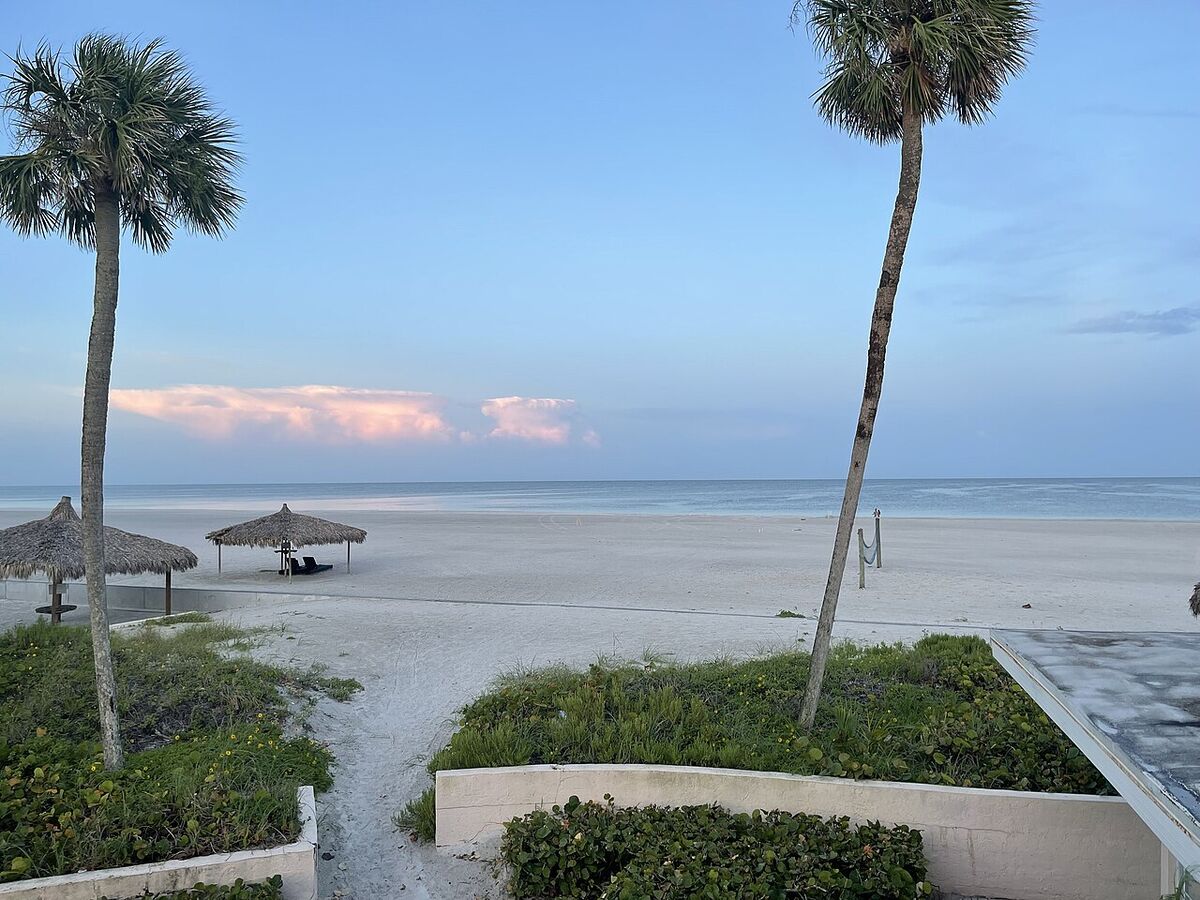

Realtor.com’s January 2026 report describes a Siesta Key home with private beach frontage whose clip received more than 37 million TikTok views. That figure is publication-reported, not independently audited here. It is a social-video count, unlike the portal popularity evidence below, and does not establish qualified enquiries or a sale.
The hook was the home’s beach-backyard setting, not a standalone parcel of sand. Clarify what the offering includes, using verified rights and boundaries. Beautiful water imagery must not imply exclusive access or development permission that the listing does not provide.
2. Tony Stewart’s Hidden Hollow Ranch: a recognisable centrepiece
Realtor.com included Tony Stewart’s Hidden Hollow Ranch in its July 2022 roundup of the first half-year’s most popular homes. Its distinctive lodge-like interiors and prominent indoor water feature gave the property an immediately recognisable visual identity. This is evidence of reported Realtor.com interest, not a measured social audience or a transaction result.
An agent can borrow the sequencing principle without borrowing the spectacle: open on one genuine defining feature, then show how it relates to ordinary living spaces. Verify that a feature is included and usable as described. Famous ownership is context, not evidence that a buyer will pay more.
3. Mark Wahlberg’s Beverly Park home: context before amenities
The same July 2022 roundup included Mark Wahlberg’s Beverly Park home. Celebrity association and an extensive estate made it a recognisable listing story, while the imagery offered multiple amenity-led entry points. The source’s half-year popularity selection is the evidence here; it supplies no verified social reach or sales causation for this article.
The transferable lesson is organisation. Start with a genuine overall view, then group recreation, living accommodation and outdoor areas. Buyers should not confuse a famous resident’s personal possessions with fixtures included in an offer. Secure permissions for any personal material rather than using identity as an unrestricted marketing asset.
4. Celina’s octagonal house: unusual form and former jail cells
Realtor.com’s first-half 2022 list also featured an octagonal house in Celina, Ohio, with jail cells. The contrast between unconventional form and an unexpected interior feature creates a memorable visual question. Inclusion in the July roundup records portal popularity, not a confirmed viral-video count or evidence of a completed sale.
Use unusual features as an invitation to understand the building. Show the overall shape, the relevant interior and present-day use in sequence. Verify historical descriptions instead of embellishing them, and explain practical limitations. An intriguing former use must not become an unsupported promise about permitted future uses.
5. Bald Eagle Lake’s private island: explain arrival
The Bald Eagle Lake private-island home appeared in the same July 2022 most-popular roundup. An island setting supplies a clear visual hook because it immediately raises questions about privacy, access and daily life. The evidence is its reported half-year listing popularity; no numeric social audience or sale outcome is asserted here.
For an agent, the best follow-up to an island overview is an accurate arrival sequence. Explain documented access arrangements and distinguish property features from nearby services. Do not conceal logistical questions behind scenic footage or suggest that seasonal access remains identical throughout the year without checking the facts.
6. Portland’s hovering cube: reveal the structure honestly


Realtor.com’s October 2025 report presented Portland’s cube home on a hillside as the week’s most popular listing. The apparent hovering effect is a distinctive architectural hook: the building’s relationship to its slope makes the first image unusually legible and surprising. The weekly designation is not proof of a particular social reach.
Show the striking angle, then another perspective that explains the structure and access. Do not exaggerate the effect by erasing supports or altering the hillside. A reveal works best when the next photograph answers the first photograph’s question rather than sustaining a misleading illusion about how the building stands.
7. Dallas’s Tron-inspired mansion: let style remain visible
The March 21, 2025 Realtor.com weekly-popularity report featured a Dallas-area mansion described as Tron-inspired. Its futuristic visual language made the listing distinctive. That editorial comparison describes appearance; it should not be turned into a claim of affiliation with the film or an independently verified social-video performance figure.
For strongly styled homes, maintain accurate colour and lighting across the sequence. Add ordinary room views so buyers can assess use as well as atmosphere. Avoid AI restyling that quietly neutralises unusual decor: the actual design may attract some buyers and deter others, and both deserve a truthful preview.
8. Dayton’s chaotic condo: attention can expose friction


Realtor.com’s November 2024 weekly report highlighted an Ohio condo whose chaotic listing photographs attracted attention. The unusual presentation itself became the story. The publication’s popularity reporting does not show that disorder improved enquiry quality or produced a sale, and this article does not recommend reproducing it.
The useful lesson is the opposite: review photographs for distracting possessions and unclear room functions before publication. Obtain permission before including personal material. Present the property’s condition honestly, but make the layout readable through framing and ordering rather than hiding defects or manufacturing a deliberately confusing scene to provoke reactions.
9. Florida’s “worst house on the street”: specificity beats insults
Realtor.com’s February 2021 weekly report featured a Florida listing using the blunt phrase “worst house on the street”. The description’s unusual candour was the attention hook. Its reported weekly popularity is not evidence that insulting copy is effective generally, or that the home’s condition was fully captured by that headline.
Agents should translate the lesson into precise condition disclosure: name verified repair needs, show representative photographs and explain viewing arrangements. Avoid disparaging neighbours or implying a professional inspection that has not happened. A direct description should help a suitable buyer assess the work, not merely create a shareable insult.
10. A dilapidated house with dolls: curiosity is not a property fact
Realtor.com’s September 2021 weekly report featured a deteriorated house pictured with creepy dolls. The incongruous objects made the photographs memorable. That is a reported popularity case, not evidence of paranormal activity, a verified audience total or a sale. Rumours and viewer interpretations should never be repeated as property facts.
Do not stage disturbing props or imply a false history to chase attention. If a property needs substantial work, document its condition clearly and distinguish movable objects from the building itself. The ethical visual hook is a genuine feature or an honestly described challenge, followed by information a prospective buyer can use.
A five-step photo and video hook checklist
Attention is an opening, not a commercial result. Record qualified enquiries, viewing requests and buyer questions separately from listing visits and video plays. With appropriately configured, consent-aware analytics, inspect the route from content to the listing and enquiry action; a click still is not a sale.
Vellivo can help add promotional motion to photographs you have permission to use. Keep the original gallery available, review generated clips for fidelity and do not present photo-derived motion as a continuous filmed walkthrough. A useful hook makes the actual property easier to understand.
- Choose one verified feature that matters to the intended buyer, not an invented spectacle.
- Open with an accurate frame and follow it with context, layout and condition.
- Confirm rights, remove private information with permission and check factual captions.
- Review any clip against its source; reject altered geometry, invented objects or misleading views.
- Link to the correct listing and review qualified responses separately from attention metrics.