Luxury property marketing · 6 min read
10 Headline-Making Luxury Home Listings: Asking Price vs Reality
These are ten curated historical luxury home listing cases, not a definitive top ten, a valuation table or current inventory. Amounts are US dollars. Asking prices express a seller’s proposal; only separately documented transactions establish a reported sale. The linked sources anchor each case, while the marketing lessons are our editorial interpretation.
1. The One, Bel-Air: $295 million was the ask
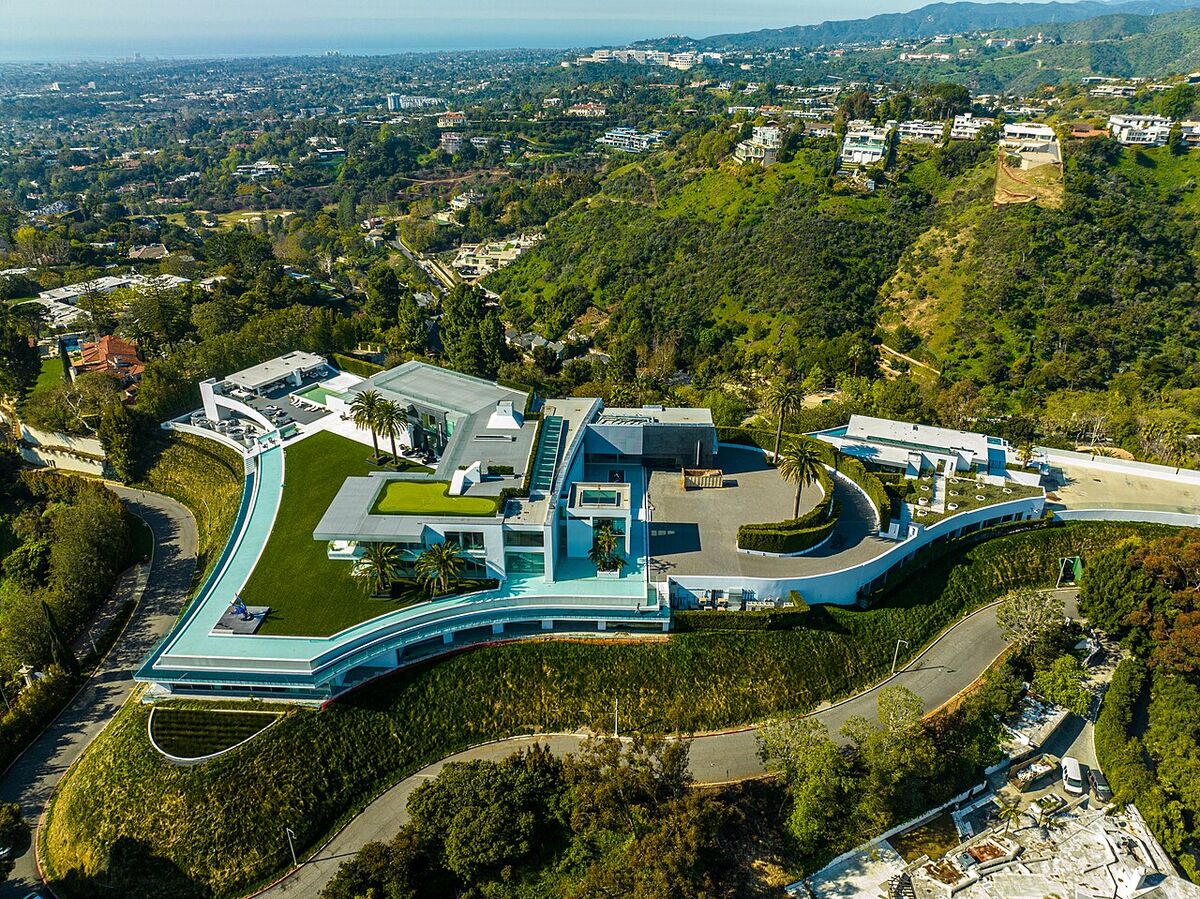

In 2022, The One was marketed at a $295 million asking price. Concierge Auctions subsequently reported a closing above $141 million including the buyer’s premium. These are different figures with different definitions: the auction closing total is not the original asking price, and a fee-inclusive total should not be silently compared with a fee-exclusive bid.
Agent lesson: lead a large-property sequence with an intelligible overview, then organise interiors and amenities into named chapters. Scale alone can overwhelm buyers. On every campaign record, label the asking figure, transaction figure and included fees separately rather than repeating the biggest number as “value”.
2. A 7.86-acre Bel-Air estate: $400 million in April 2026
Realtor.com’s roundup reported a $400 million asking price in April 2026 for a 7.86-acre Bel-Air estate. That is a dated listing claim, not evidence of a completed sale or a certified valuation. This historical snapshot does not establish whether the property remains available when you read it.
Agent lesson: acreage needs visual explanation. Sequence an authorised site overview, buildings and outdoor connections before decorative details. Use verified boundaries and clearly distinguish land included in the offering from neighbouring scenery. A grand aerial impression cannot substitute for the actual parcel information.
3. Gordon Pointe, Naples: $295 million, then $271 million
The same Realtor.com report traces Gordon Pointe’s $295 million asking price in 2024 and a $271 million asking figure in 2026. Neither number is a transaction outcome here. A revised ask shows a changed offer to the market; it does not prove what buyers would pay or why the seller changed course.
Agent lesson: waterfront campaigns should explain the relationship between residences, shoreline and access. Build that sequence from genuine property images and verified details. When refreshing a price, update captions, brochures and distribution copies together so an impressive older video does not keep circulating an obsolete asking figure.
4. Gary Winnick’s estate: $225 million versus $170 million asks
Realtor.com reports a $225 million asking price in 2019 for Gary Winnick’s estate and a $170 million asking price in April 2026. These dated asks are not a documented sale between those dates. Do not convert the difference into a realised loss, or assume the entire intervening period was one uninterrupted campaign.
Agent lesson: heritage, architecture and setting need evidence, not just superlatives. Show a coherent exterior-to-interior progression and attach sourced historical details to the correct spaces. Separate the property’s visual story from its price history; neither famous ownership nor polished photography demonstrates an achieved sale price.
5. Villa Serenity: $175 million ask, a separate earlier transaction
For Villa Serenity, Realtor.com reports a $175 million asking price in February 2026 and a prior $49 million transaction in 2020. The earlier purchase is historical context, not the result of the 2026 listing. Those figures alone cannot establish renovation expenditure, net profit or a current buyer’s willingness to pay.
Agent lesson: when an estate has changed, use current, approved photography and identify verified improvements individually. Do not splice older and newer rooms into an apparently continuous tour. Date the visual set and keep any prior transaction in a clearly labelled history section, apart from today’s proposed terms.
6. Central Park Tower penthouse: unavailable does not mean sold
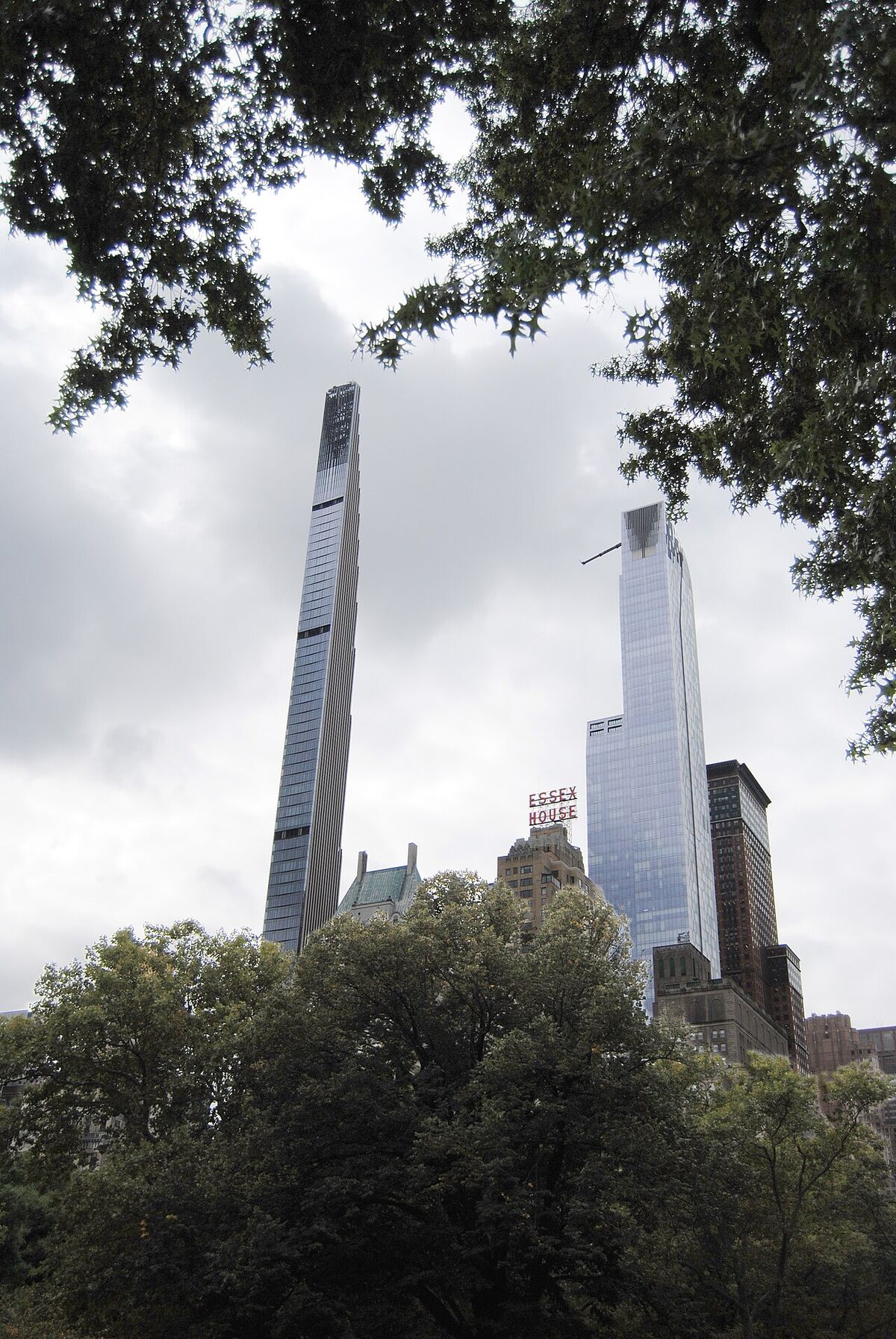

The September 2022 launch release announced a $250 million asking price for the Central Park Tower penthouse. StreetEasy’s listing history records $195 million in September 2023 and no-longer-available status in October 2024. That status does not establish a sale, a buyer or a closing price; this article makes no such inference.
Agent lesson: a skyline view is a strong opening frame, but buyers also need the floor plan and room relationships. Follow the outlook with usable interior context. Preserve dated listing-status labels in your research notes, and never promote a removed listing into a “sold” success story without transaction evidence.
7. Bel-Air’s “Billionaire”: $250 million ask, $94 million sale
The Los Angeles Times reported on October 24, 2019 that the Bel-Air mansion nicknamed “Billionaire”, originally offered at $250 million, sold for $94 million. Unlike a withdrawn-listing status, this source explicitly reports a completed sale. Keep the original asking figure and the reported sale figure distinct when discussing the campaign.
Agent lesson: a spectacle-led amenity reel still needs a useful property gallery. Show the everyday living spaces and access as clearly as the showpiece features. A memorable nickname helps identify a case, but it is not an appraisal method or evidence that dramatic marketing caused a particular outcome.
8. Michael Eisner’s Malibu estate: off market, no sale asserted
The Real Deal’s December 14, 2023 report describes Michael Eisner’s Malibu estate as initially listed at $225 million in 2022, later offered at $195 million and then removed from the market in December 2023. Removal is the reported outcome here, not a verified sale. It provides no basis for inventing a closing figure.
Agent lesson: multi-building estates benefit from a simple visual map followed by one sequence per building. Explain connections and privacy without making unsupported lifestyle promises. When availability changes, remove or relabel campaign material promptly; a cinematic clip can otherwise make an inactive offer look bookable.
9. The Manor: a new campaign is not its earlier sale
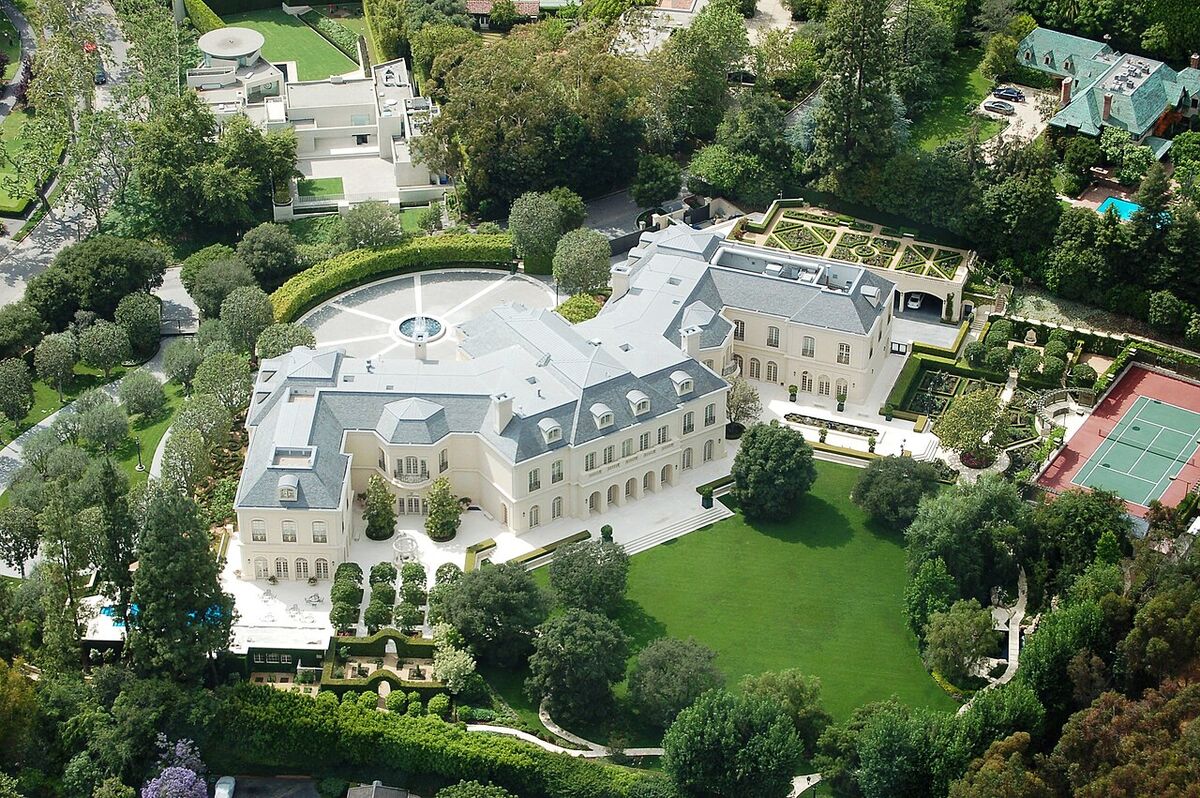

The Los Angeles Times reported The Manor’s $165 million asking price in February 2022. The Real Deal reported a reduction to $155 million in January 2023. The property’s $119.75 million sale in 2019 belongs to an earlier transaction; it is not evidence of the outcome of the 2022 listing campaign.
Agent lesson: separate dated ownership history from current marketing. For an extensive interior, choose representative rooms and label their functions rather than presenting repetitive grandeur. A buyer should understand the accommodation and circulation, not need to reconstruct them from a montage of chandeliers and reception spaces.
10. Cielo Estate: a dated reduction, not a final result
Realtor.com’s July 2022 half-year roundup reports Cielo Estate’s early-2022 $85 million asking price and a subsequent $69.995 million ask. This is a historical price adjustment, not a final sale claim. Neither popularity in that roundup nor the reduction establishes the transaction result or explains the seller’s motivation.
Agent lesson: distinctive architecture deserves an establishing image before close-ups. Show what the home actually contains and let verified details carry the caption. Keep sensational associations out of factual selling points unless reliably supported and relevant; curiosity is not a substitute for a clear, accurate property offer.
A practical luxury-listing visual checklist
The transferable lesson is disciplined sequencing, not copying a headline price. Start with location and overall form, establish room relationships, then show distinctive features and useful outdoor context. Give the buyer a factual gallery and floor plan alongside any promotional motion.
Vellivo can help turn permitted property photographs into promotional clips. Review each output against its source; reject invented rooms, furniture or views. Photo-derived motion is not a measured walkthrough and cannot determine a selling price.
- Label every price: asking, revised asking or reported sale; add date and source.
- Use current, rights-cleared images and verify the features named in captions.
- Keep unavailable status separate from sold status and historical transactions separate from new campaigns.
- Approve the visual order, check all published prices and provide a clear enquiry destination.