Vacation rental marketing · 5 min read
Pet-Friendly Vacation Rental Marketing: What Guests Need to See Before They Book
A guest travelling with a dog is not only asking whether pets are allowed. They want to know where the dog can go, what it will cost, what rules apply and whether the outdoor space is safe. Pet-friendly vacation rental marketing works when the photos, fees and house rules answer those questions before the guest has to send a message, and when everything shown matches what they find on arrival.
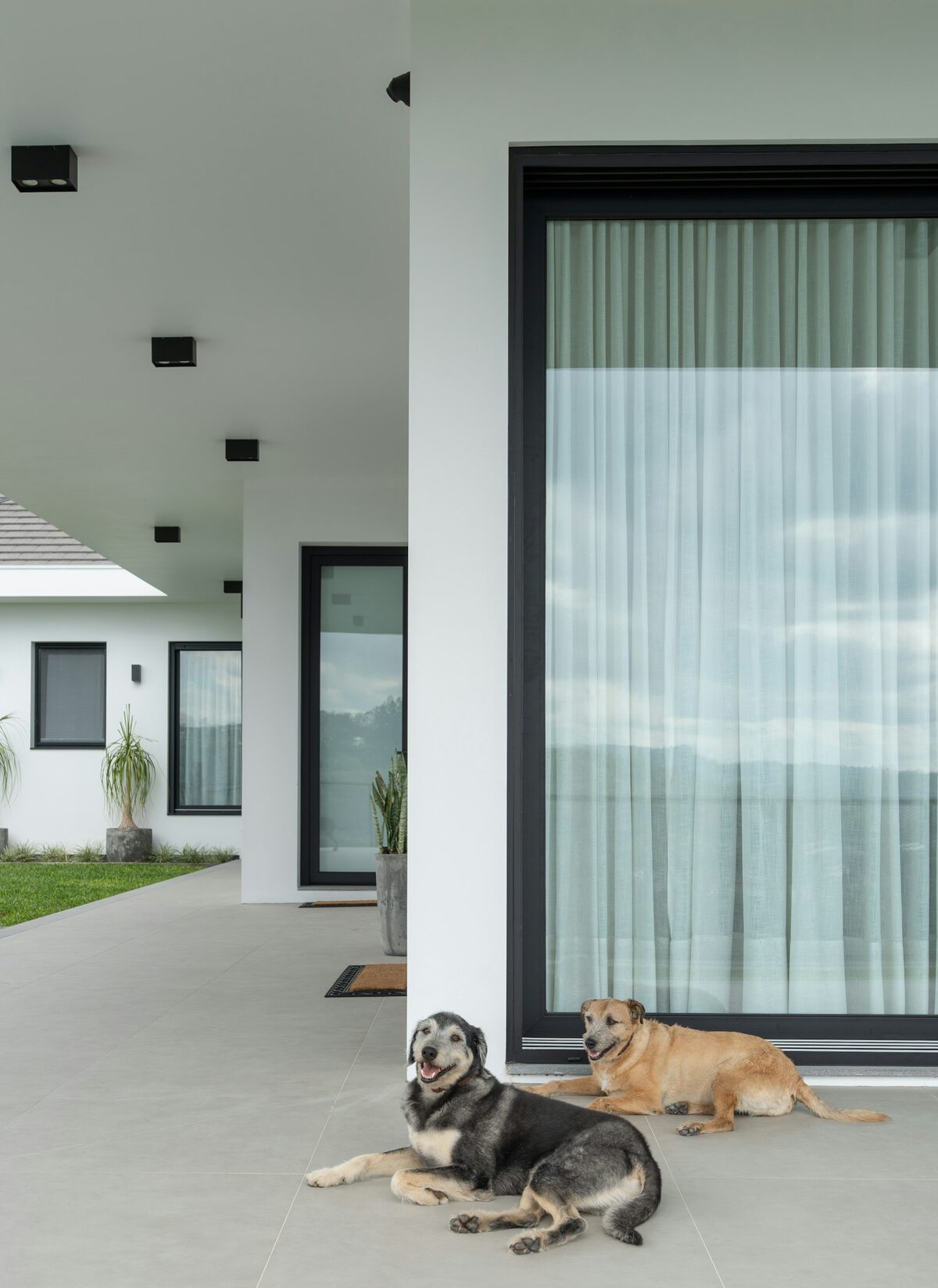
Decide what kind of pet-friendly you are
Before changing a single photo, write the policy down. How many pets, which types, any size limits, whether pets may be left alone, which rooms or furniture are off limits, and what happens with noise or damage. Airbnb's host guidance suggests covering these points in house rules: how many pets you allow per stay, the types you accept, whether pets may be left unattended and where they are not allowed.
A clear, limited policy, such as one well-behaved dog with no pets on beds, is easier to market honestly than a vague welcome you later have to qualify by message.
The six-photo checklist for pet owners
You do not need a separate shoot. Add or reorder a small set of current photos so a pet owner can answer their main questions from the gallery. Only photograph features that exist and are available to guests.
- 1. The outdoor space pets can use, shot wide so the edges are visible.
- 2. Boundaries: fence, gate or wall, taken close enough to show height and gaps. If there is no fence, do not crop to suggest one.
- 3. The entrance, with any boot or paw-cleaning area and towels.
- 4. Floors and furniture in the main living space, so guests can see hard floors, rugs or covers.
- 5. Pet supplies you provide, such as bowls, a bed or a crate, photographed together.
- 6. The nearest walking route or green space, if it is genuinely close and you can describe the distance accurately.
Show fees and rules where guests decide
Pet owners compare total cost, so make the pet fee visible and explain what it covers. Airbnb's help article says hosts can charge a flat fee per booking, per night, per pet or per pet per night, that the fee is shown in the nightly rate and total price at checkout, and that the pet fee cannot be more than the nightly base rate. Check the current rules on each platform you use, because policies change.
Repeat the same rules on your direct booking page, if you have one, so a guest never sees one policy on a platform and another on your own website.
- Fee amount, how it is calculated and what cleaning it covers.
- Maximum number of pets and any type or size limits.
- Rules on furniture, beds, leaving pets alone and waste.
- How damage is handled, in line with the platform's terms.
Describe pet amenities honestly
Airbnb's guidance notes that guests travelling with pets may want to know about features such as a fenced yard or a private patio, and suggests practical supplies such as bowls, furniture covers, extra towels for paws and cleaning supplies. List what you provide, and be specific about the rest.
Specific beats enthusiastic. "Partly fenced garden; the side gate is 90 cm high" helps more than "perfect for dogs". If the patio is shared, the road is busy or the stairs are steep, say so. A guest who knows in advance can plan; a guest who discovers it on arrival writes a review about it.
Hypothetical before-and-after listing description
This example is hypothetical: the cottage, rules and fee are invented to show the difference in wording.
Before: "Pet-friendly cottage, perfect for dogs! Lovely garden and close to walks."
After: "One dog welcome; please tell us its size when booking. A pet fee is shown in the total price. The rear garden is fully fenced, but the front gate opens onto a lane, so please keep it closed. Dogs are welcome downstairs but not on beds or sofas. We provide two bowls, sofa covers and paw towels at the back door. A public footpath starts about a five-minute walk away."
The second version is longer, but every sentence answers a question a dog owner would otherwise have to ask, and each detail can be checked against the photos.
Service animals are not pets
Keep the difference clear in your listing and messages. Airbnb's guidance states that service animals are not pets, that hosts must generally allow a service animal even with a no-pets rule unless an exemption is granted, and that hosts cannot charge a pet fee for one. Rules for emotional support animals depend on applicable local law. Follow the platform's accessibility policy and avoid wording that could discourage guests with assistance animals.
Pre-arrival questions that prevent surprises
Send a short, friendly message after booking. Keep it to five questions so it reads as care rather than screening.
- How many pets, and what type and approximate size?
- Will the pet be left alone at any point, and is it crate-trained?
- Anything we should know, such as anxiety around other dogs?
- Would you like the local vet, pet shop or walking-route details?
- Should we set anything out before you arrive, such as the bowls, a crate or furniture covers we list?
Add a pet section to your guidebook
Airbnb suggests including local dog parks, vets and pet supply stores in your guidebook, and considering pet-sitting services and kennels. Check each recommendation before you list it, add opening hours where relevant, and note any local leash or beach rules you know apply.
Measure pet enquiries, bookings and complaints separately
Count three things over the same period, before and after you update the listing. Pet-related enquiries show whether guests still need to ask questions the listing should answer. Bookings that include pets show whether the policy and fee are attracting the guests you want. Expectation complaints, such as reviews or messages saying the garden was not fenced as expected, show where photos or wording are still unclear. More enquiries with no more pet bookings usually means the listing creates interest but leaves doubt; fewer complaints means the description is getting more accurate.
Use video to show the space, not to oversell it
A short clip of the patio or garden can help pet owners judge the space faster than a static photo, and works well in social posts aimed at people who travel with dogs. Vellivo creates short promotional scenes from rental photos you already have the rights to use. Check every scene against the real space: it must not add fencing, extend a lawn or change a view. Keep the photos and written rules as the factual record.