Listing preparation · 5 min read
How to Market a Vacant Property: Photo, Floor Plan and Video Checklist
An empty home is easy to photograph and hard to sell from photographs. With no furniture, buyers lose their sense of scale, every scuff on a wall becomes visible, and rooms can look alike in a gallery. This guide is for agents marketing a vacant property after tenants move out or before a sale. It covers what to fix first, which empty-room photos to take, how to document the layout, when staging helps, and how to make honest promotional video from the original images.
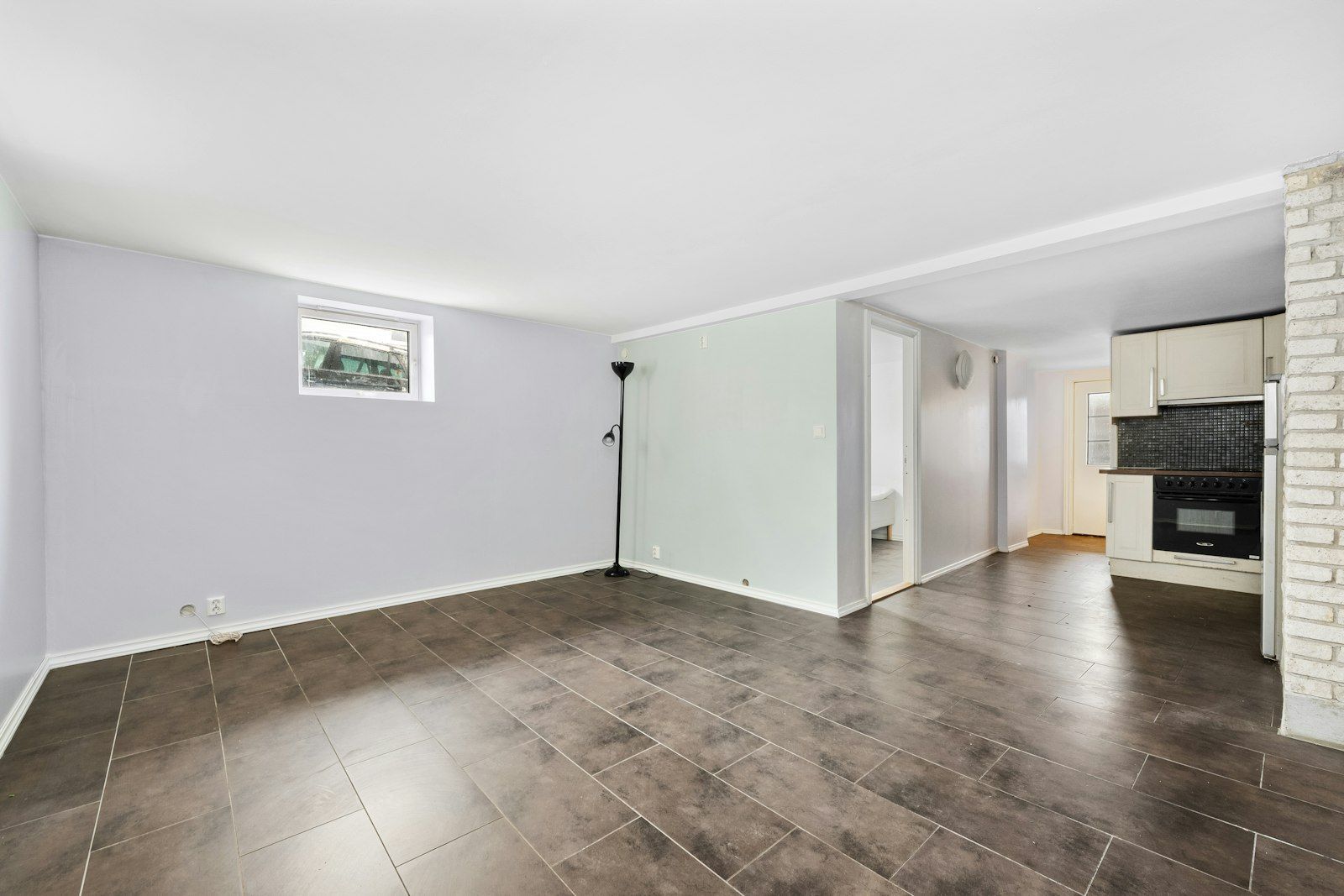
Decide what to clean, repair or simply document
Start with a walk-through the day the keys come back. Furniture no longer hides marks, so a vacant home shows faults that buyers barely noticed in an occupied one. NAR's consumer guide on marketing a home says cosmetic updates are not required, but notes that cleaning windows, carpets, light fittings and walls can make a big difference before photos and showings.
A simple rule works: fix what is cheap and visible, and document what you will not fix. Repainting a scuffed hallway or replacing dead bulbs costs little and changes every photo. A cracked tile or a worn worktop that the seller will not replace should be disclosed and photographed honestly, never hidden by a clever angle.
- Deep clean floors, windows, skirting boards, kitchen and bathroom
- Replace missing or mismatched bulbs so every room can be lit evenly
- Fill and touch up obvious wall marks left by furniture and fixings
- Remove items left by the last occupant, including from storage areas
- List remaining defects with a note on whether each is fixed or disclosed
An empty-room photo shot list
Realtor.com's photography guide recommends planning a shot list before the shoot, using a tripod at a natural height so perspective is not distorted, and capturing each room from a single vantage point, such as the doorway or a corner, or from opposite corners. That advice matters even more in an empty home, where depth and proportions are the only things buyers have to judge.
- One door-to-window photo per room, so buyers can see how deep the space is
- A second angle from the opposite corner for living rooms and bedrooms
- Hallways and stairs that show how rooms connect
- Exterior, entrance, parking and the route from the street
- Fixed features that stay: built-in storage, heating, sockets near desk areas
- Any disclosed defect, photographed plainly
- A clear label for every image, such as 'Bedroom 2, facing garden'
Shoot in the right light and keep it natural
The same Realtor.com guide suggests timing photos by the direction the home faces: late morning to early afternoon for north-facing homes, mornings for east-facing ones, early morning or evening for south-facing ones, and afternoon into evening for west-facing ones. Empty rooms reflect light off bare walls and floors, so check white balance and avoid editing that makes a dim room look sunny.
Add a floor plan with separately verified measurements
In an empty home, the floor plan does the job that furniture used to do: it tells buyers whether their life fits. Realtor.com's 2023 new-listing checklist, citing NAR home buyer data, reports that 82% of buyers who searched online found floor plans very or somewhat useful.
Measure the property on site, or commission a measured plan. Do not estimate sizes from photos. Use the same room names on the plan as in the gallery labels, state whether measurements are approximate, and check the plan against the property before it is published.
Staging: physical, virtual or none
NAR's 2025 Profile of Home Staging, based on a February 2025 survey of REALTORS®, reports that 83% of buyers' agents said staging made it easier for a buyer to see the property as a future home. The rooms most often staged were the living room, primary bedroom and dining room. That suggests where to start if the budget only covers part of the home.
Physical staging lets visitors experience scale in person. Virtual staging only affects the photos, so buyers arriving at a viewing will walk into empty rooms. If you use it, label every staged image clearly, for example 'Virtually staged', and publish the unaltered photo of the same room next to it. Never change fixed features such as walls, windows, floors or the view, and check your MLS and portal rules on altered images.
Make honest video from the original empty-room photos
Short promotional clips can help an empty home on social media and on the listing page, because slow camera movement shows depth that a still image flattens. Generate them from the original, unaltered photos rather than the virtually staged versions, so the clip shows the property buyers will actually walk into.
Compare each clip with its source photo before using it. Reject any clip that adds furniture, doors, windows or a view that is not in the original. A clip made from photos is promotional motion, not a measured walkthrough; if buyers need to understand the full layout, the floor plan and a filmed tour do that job.
Hypothetical example: a two-bedroom flat after tenants move out
This example is hypothetical; the flat and its details are invented. A third-floor two-bedroom flat comes back empty at the end of a tenancy. The hallway walls are scuffed, two ceiling bulbs are missing, and one bathroom tile is cracked. The owner agrees to repaint the hallway and clean throughout, but not to retile before launch.
The agent photographs each room from the doorway towards the window, adds a second angle of the living room and main bedroom, and shoots the entrance, communal stairs and bike store. The cracked tile is noted in the description. A measured floor plan uses the same room names as the gallery. The living room and main bedroom are virtually staged, labelled, and shown next to their originals. Two short clips are made from the original living room and balcony photos.
Before-publish QC checklist
Run this check before anything goes live:
- Every photo shows the property as it is now, after the agreed cleaning and repairs
- Every image has a room label that matches the floor plan
- Floor plan measurements were checked on site and marked approximate where relevant
- Every virtually staged image is labelled and paired with its unaltered original
- Disclosed defects appear in the description and are not hidden by cropping
- Each video clip matches its source photo, with nothing added or removed
- The seller or landlord has approved the photos, plan and any staging
Measure views, enquiries and viewings separately
Track three numbers from launch: listing views, enquiries and booked viewings. Many views but few enquiries suggests the photos or price are not answering buyers' questions. Many enquiries but few viewings can mean a scheduling or access problem with an empty home. None of these numbers promises a sale, but separating them shows which part of the marketing to fix first.
Where Vellivo fits
Vellivo turns a photo into a short promotional clip. For a vacant property, use it only on accurate original photos you are authorized to use, review every clip against its source, and keep the floor plan and labelled gallery as the main record of the home.